Construction site theft is not a minor inconvenience. It is a persistent and costly issue that impacts timelines, budgets, and project outcomes.
Across the U.S., equipment theft alone accounts for hundreds of millions of dollars in losses each year. When material theft, rework, delays, and insurance impacts are factored in, the total cost is significantly higher.
For many project teams, the financial impact of a single incident is not just the value of what was taken. It is the disruption that follows.
A stolen pallet of materials can delay a critical path.
A missing piece of equipment can stall multiple trades.
A weekend incident can create weeks of recovery work.
And in many cases, the security measures in place were never designed to prevent it.
Why Construction Sites Are Harder to Secure
Construction environments operate very differently from permanent facilities. Perimeters change as projects evolve, access points expand and shift, and large numbers of workers and subcontractors move through the site daily. And for extended periods, the site is unoccupied.
This creates predictable vulnerability windows, especially overnight and on weekends.
At the same time, construction sites concentrate high-value materials and equipment in open environments. Copper, tools, machinery, and building materials can be removed quickly and resold just as easily.
These conditions make construction sites a frequent target, particularly for organized theft.
Where Most Security Setups Fall Short
Many jobsites rely on a combination of fencing, locks, and cameras. These measures provide a basic level of deterrence. But they are often limited in one critical way: They are passive.
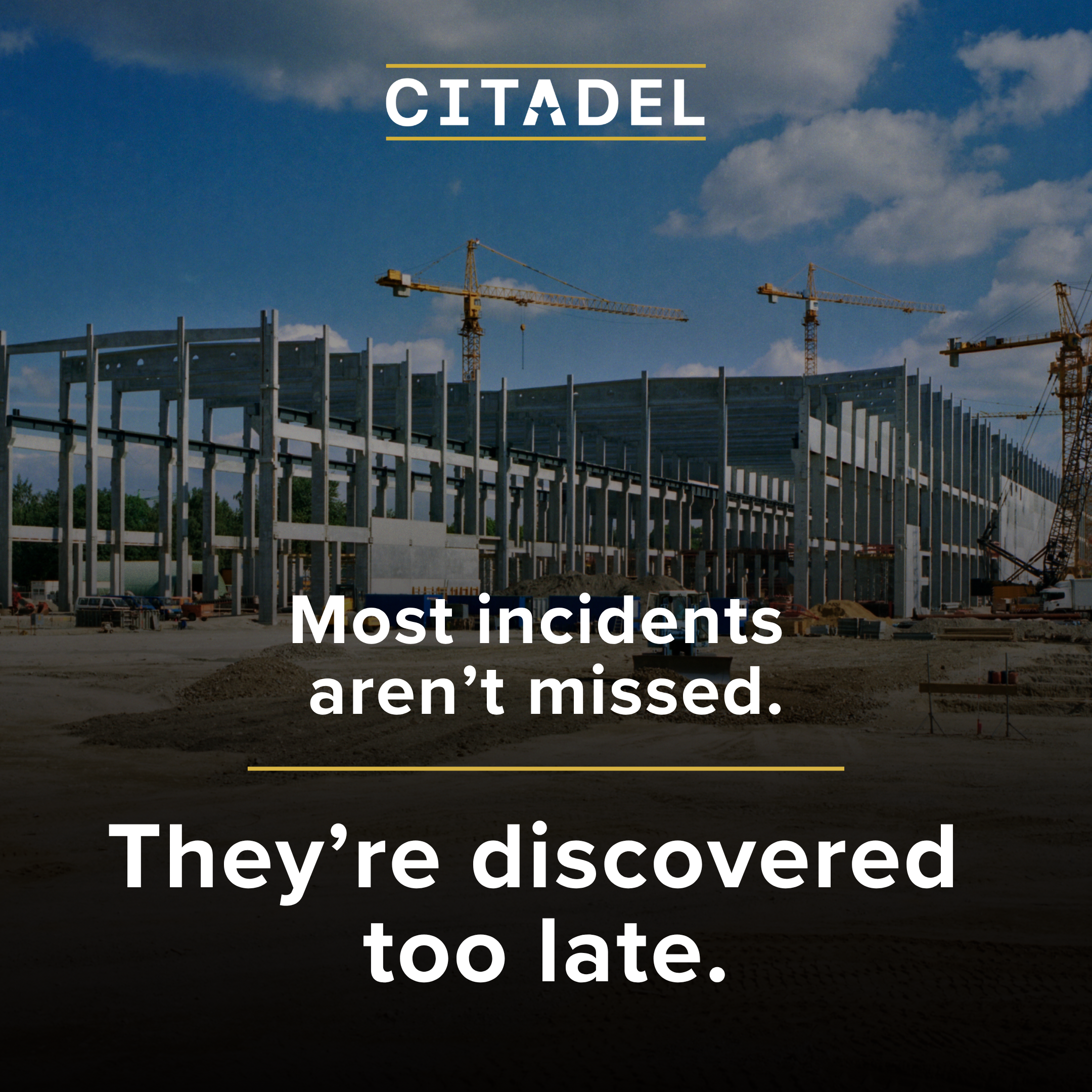
Cameras record activity but are not actively monitored, incidents are discovered after the fact, and response depends on someone noticing something is wrong.
By the time action is taken, the damage is already done.
Effective security requires more than visibility. It requires the ability to detect, assess, and respond in real time.
What Actually Reduces Jobsite Risk
The most effective construction security programs are not built around a single tool. They are built around how the system operates as a whole.
1. Real-Time Monitoring and Coordination
Instead of relying on footage after the fact, modern programs connect site activity to centralized monitoring. This allows potential threats to be identified and assessed as they happen, rather than hours later.
A structured monitoring approach enables:
-
Immediate review of activity using live video
-
Filtering of false alarms from real threats
-
Coordinated response based on what is actually happening
This layer is what turns visibility into action.
2. Integrated Response, Not Just Detection
Detection alone does not stop theft—the critical difference is what happens next. Effective programs connect monitoring directly to response, including:
-
Audio intervention to deter activity in progress
-
Dispatch of mobile patrol units
-
Escalation to local law enforcement when needed
When detection and response are connected, incidents are interrupted early rather than documented after completion.
3. Flexible, Site-Aligned Coverage
Construction sites are constantly changing. Security coverage needs to adapt with them. This includes:
-
Repositioning cameras and coverage as the site evolves
-
Adjusting patrol routes and frequency based on risk exposure
-
Increasing coverage during high-value phases of the project
Static security setups quickly become misaligned with actual risk.
4. Visibility and Documentation
When incidents occur, documentation matters. Consistent reporting provides:
It also gives project teams visibility into patterns, helping identify risks before they escalate.
5. Program Structure Over Headcount
One of the most common misconceptions is that better security requires more guards. In reality, stronger outcomes often come from better structure, not more coverage.
When monitoring, response, and reporting are integrated, teams can operate more efficiently while maintaining a higher level of control.
The Cost of Waiting
Security is often treated as something to address after an issue occurs. But in construction, the cost of a single incident can exceed months of proactive protection.
Material replacement, labor rework, project delays, and contractual exposure all compound quickly.
By the time a site upgrades its security, the loss has already been realized.
A More Effective Approach to Jobsite Security
Construction security works best when it is treated as an operational system, not a set of disconnected measures.
The combination of real-time monitoring, coordinated response, adaptable coverage, and consistent reporting creates a program that is designed to prevent loss, not just record it.
Evaluate Your Jobsite Before the Next Incident
If you are managing active construction projects, it is worth taking a closer look at how your current security approach is structured.
Where are your gaps in visibility?
How quickly can your team respond to an issue after hours?
Is your current setup preventing incidents or documenting them?
Citadel Security provides jobsite security assessments to help project teams identify risks and improve how their sites are protected.
We evaluate your current setup, recommend practical improvements, and design programs that align with how construction environments actually operate.
Request a jobsite assessment to get started.
Interested in building a more efficient and accountable security program? Learn more about Citadel Security or connect with our team.


.png)